Takeoff software
Flooring Takeoff Software Field Guide
What flooring contractors should test in takeoff software, from room capture and waste to multi-material projects and field use.
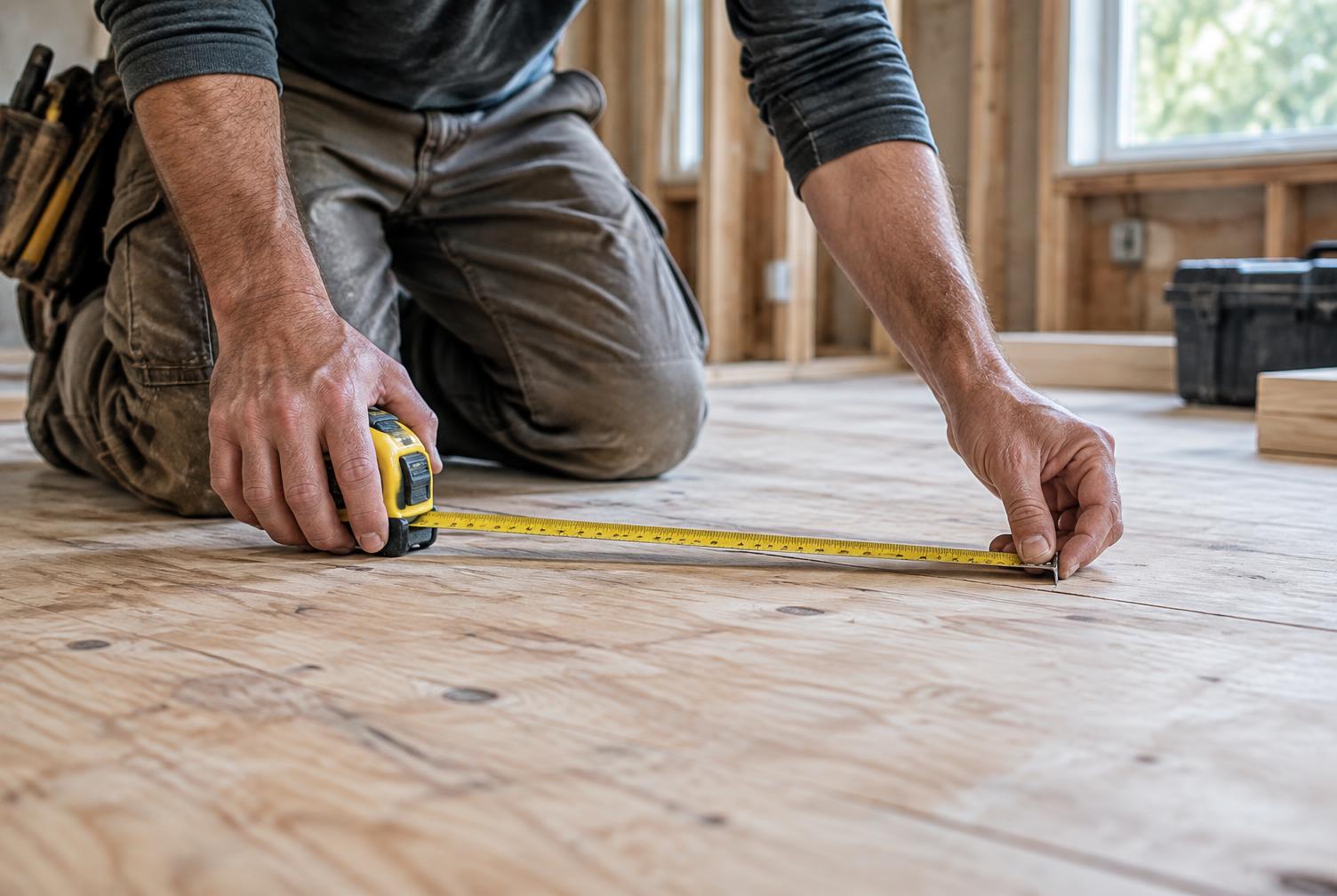
Measuring is where the estimate begins, and small gaps at this stage can follow a job all the way through ordering and installation.
Choose the right capture method
Good flooring takeoff software should support the way your team works. That may be manual entry, a laser, or LiDAR-assisted capture on a compatible tablet. I would test all methods you plan to use. Speed matters, but a clear room record matters more than an impressive scan.
Build a real room plan
The drawing should help an estimator understand the space after leaving the property. Create an irregular room with closets, openings, alcoves, and transitions. Confirm that each wall can be corrected without starting over. A takeoff is useful when another team member can read it without calling the person who measured.
Handle several rooms and materials
Most flooring jobs are not one empty rectangle. Test a project with LVP in the main area, carpet in bedrooms, tile in a bathroom, and work on the stairs. Each room, material, and floor should stay organized while still contributing to a complete project total.
Treat waste as a decision
Waste depends on product format, room shape, installation direction, pattern matching, and installer preference. The software should let you apply the right factor by material or area. It should also show net quantity, added waste, and the order quantity clearly enough to review before pricing.
Capture field conditions
Measurements alone do not describe the work. Save photos and notes for subfloor damage, moisture concerns, furniture, appliances, removal, baseboards, transitions, access, and disposal. I want those details beside the takeoff because they affect labor and margin just as much as square footage.
Verify before leaving
Walk the property one more time and compare it with the room list. Check closets, stairs, transitions, material selections, and unusual conditions. Then confirm that the takeoff can move directly into an estimate. The best field process prevents a return trip and avoids retyping measurements at the office.
My practical recommendation
Use one of your real projects when you evaluate a new process. The right system should reduce repeated work, protect pricing, and make the next step clear for your team and customer.
About the author
Luca Schuhardt founded Proposal Genie after years in the flooring industry. He writes about the estimating and proposal problems contractors handle every day.